Make better supplement decisions, backed by science
Examine+ turns nutrition research into clear, actionable guidance you can actually use.

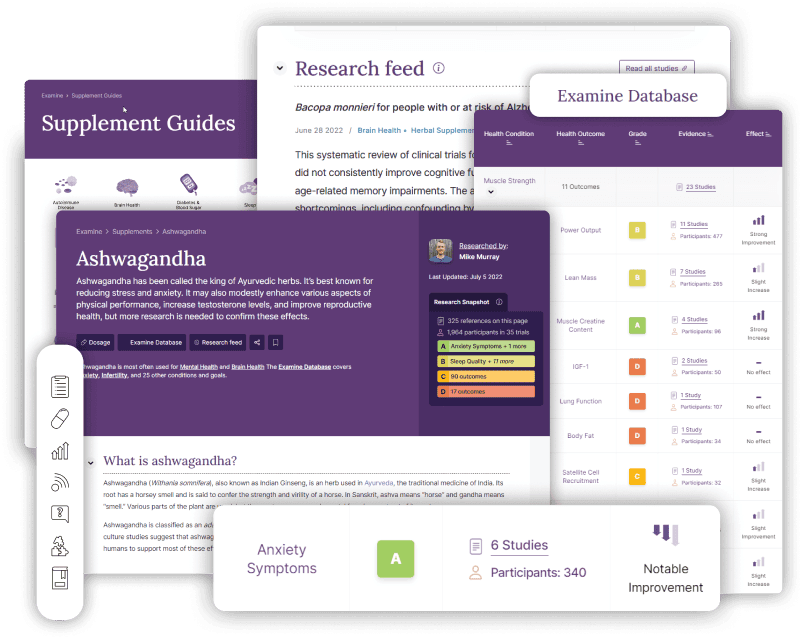
Supplement Guides
Which supplements work and which don’t? We wrote step-by-step guides with all the practical information you need (dosage, safety, synergies, and more).

Examine Database
What does the body of evidence say? We graded hundreds of supplements and other health interventions for thousands of health outcomes, based on evidence from randomized trials.

Research Feed
What does the latest evidence say? We continuously summarize the most important new studies on the health topics you select.
Over 15,000 members rely on Examine+ for unbiased nutrition information, including at the following companies:


A trustworthy take on the latest science
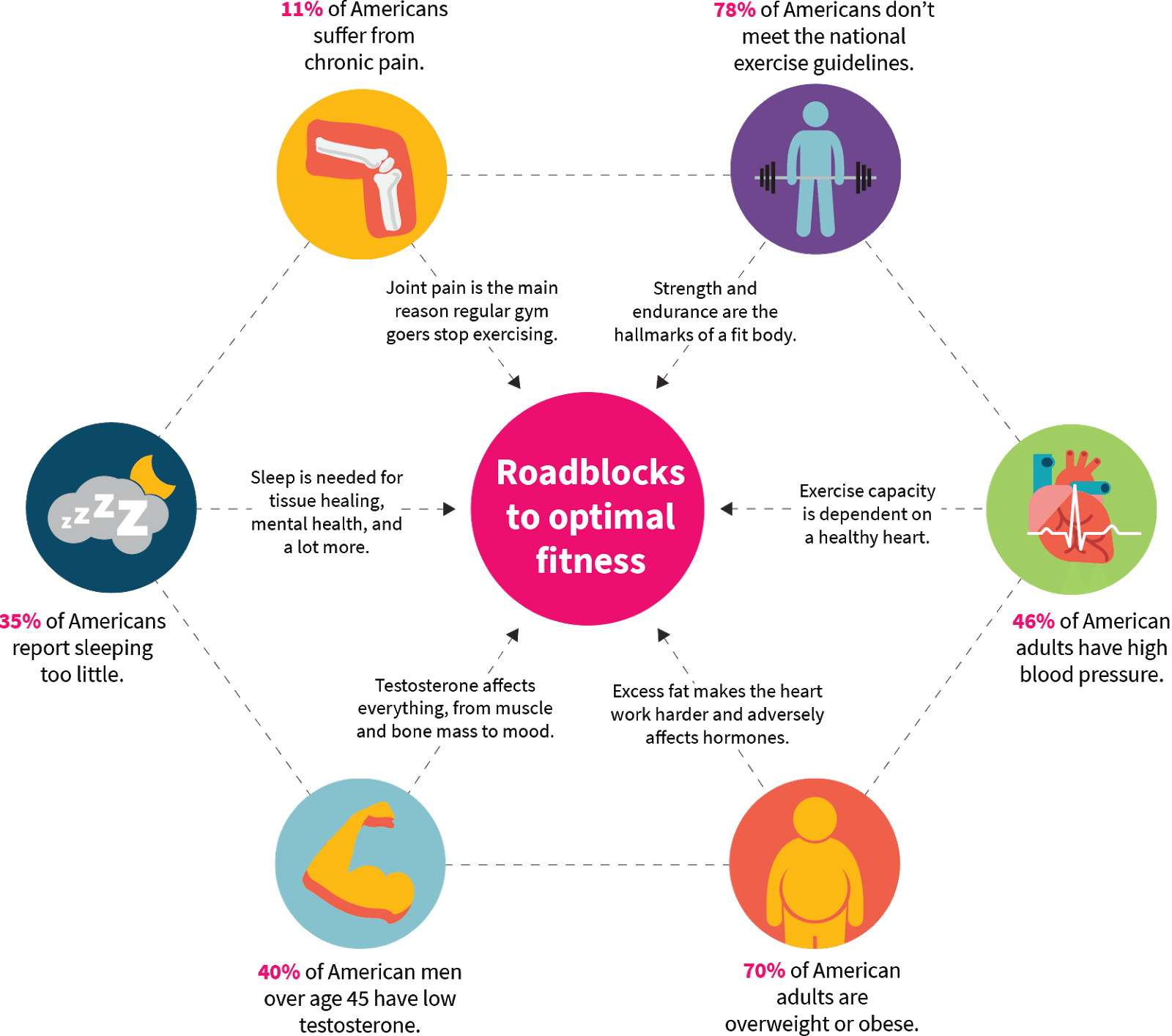
Health research is a constantly evolving world, and health care requires more self-advocacy than ever before. But you don't have the time, energy, and the multiple Ph.Ds it takes to keep up with all the latest studies.
You need a team.
Examine is your health research team. Since our founding in 2011, we’ve
maintained zero conflicts of interest:
No investors or sponsors to answer to.
We don’t sell supplements or even ad space on our website.
No parent company making corporate top-down decisions.
We don’t recommend brands or specific products.
Every single team member is contractually required to have zero industry ties.
What is the plus of Examine+?
There are three!
- 1
Combos
- 2
Primary Supplements
- 3
Secondary Supplements
- 4
Promising Supplements
- 5
Unproven Supplements
- 6
Inadvisable Supplements
- 7
Frequently Asked Questions
According to a recent Penn State estimate, the average American who uses supplements spends about $510 annually. Unfortunately, most of this money is wasted on products that don't work as promised. There's a million and one reasons why something claimed to work might actually do nothing for you:
- A supplement worked in a widely-publicized animal study but failed in a human study that the media didn't report on.
- Some supplements only work in a specific dose or form.
- Other supplements only work for specific people, such as older adults with type 1 diabetes.
The Supplement Guides cut through all the hype and tell you what works, what may work, and what — despite all the marketing and internet buzz — isn't likely to work, or could even be harmful.
An overview of the 17 Supplement Guides
Choose your guide:
Diabetes & Blood Sugar

Allergies & Immunity

Bone Health

Cardiovascular Health

Diabetes & Blood Sugar

Fat Loss

Healthy Aging

Joint Health

Libido & Sexual Function

Liver Health

Memory & Focus

Mood & Depression

Muscle Gain & Exercise Performance

Skin, Hair & Nails

Sleep

Stress & Anxiety

Testosterone

Vegetarians & Vegans

Every month the Examine team pores over the latest publications to find, and summarize, the research I most want to know about. All that for just a few bucks. If you work in health and fitness, you won’t find a better cost-to-value ratio anywhere.
”John Berardi, PhD, CSCS | Co-founder of Precision Nutrition | Advisor to Apple, Nike, Equinox, and Titleist
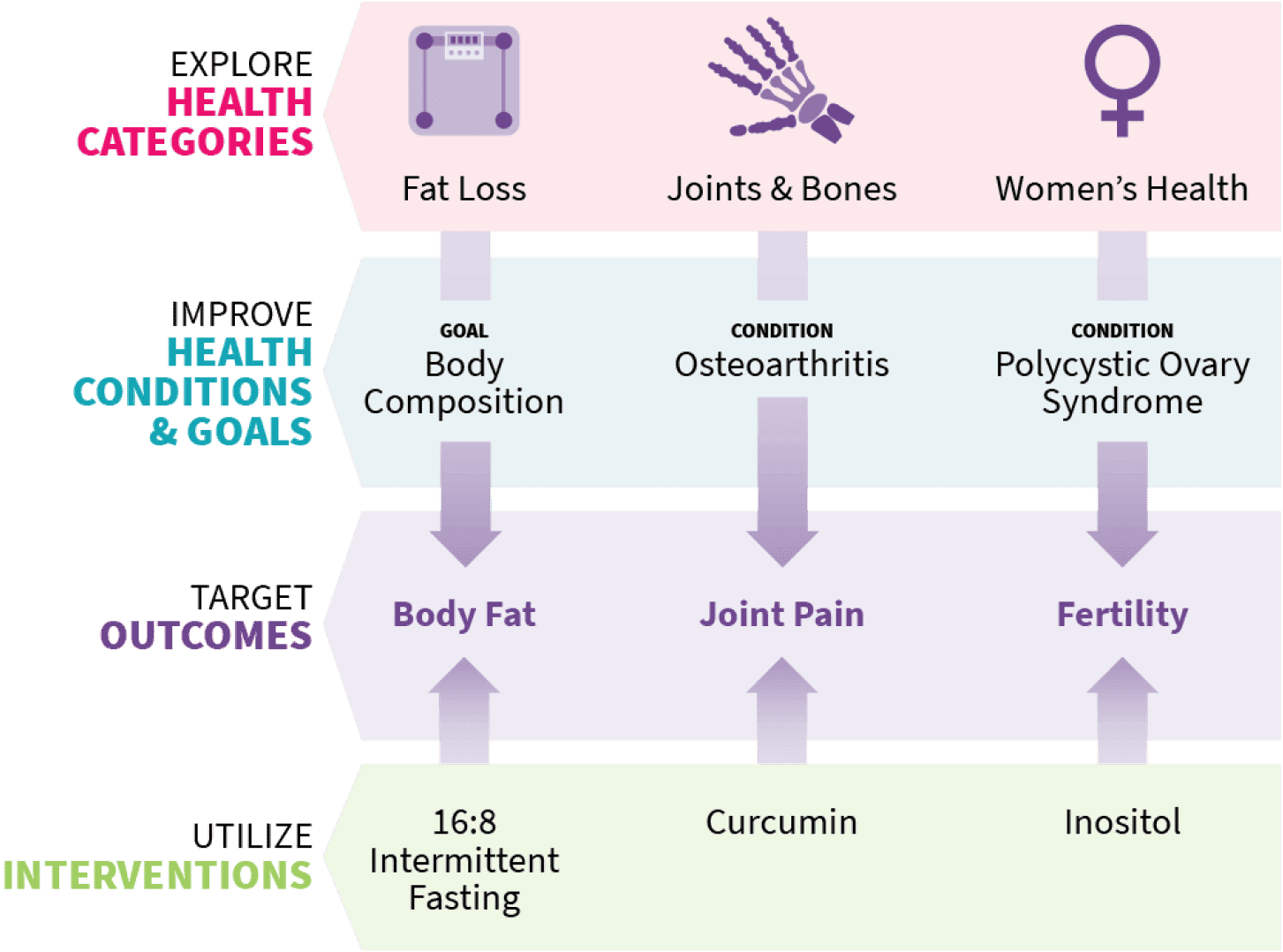
The Examine team has spent over a decade systematically collating data from tens of thousands of human trials.
All this data is organized in the Examine Database — the internet's only sortable database of graded health evidence.
See the evidence
for health interventions, conditions, and goals.1
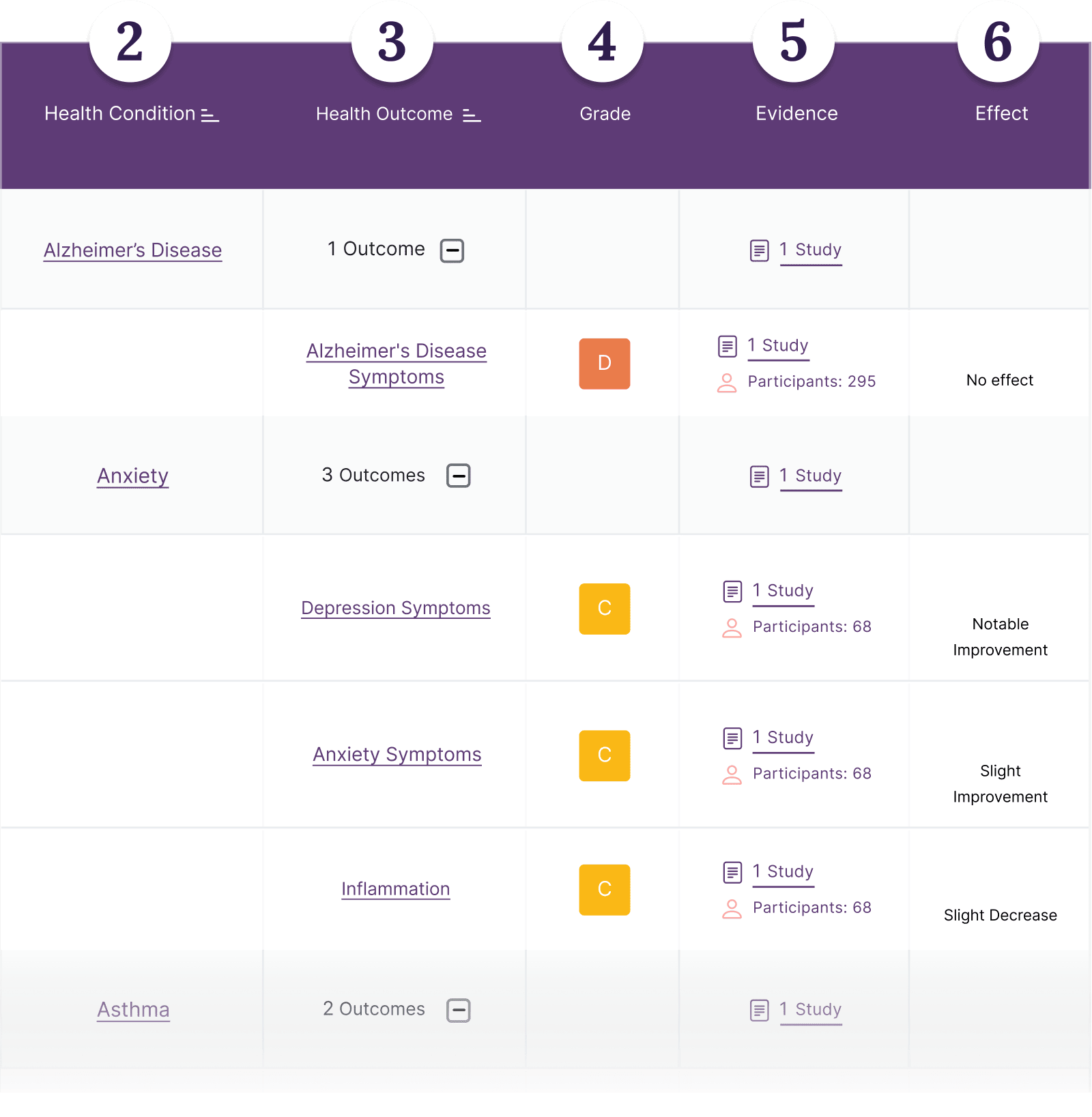
A health intervention database will list all the health outcomes it was tested for. (These outcomes are grouped under health conditions and goals to make it easier for you to find relevant information.)
- 1Search for an Intervention.
- 2See the Conditions it affects.
- 3Target the Outcomes.
- 4Get the evidence Grades.
- 5Dive into the Evidence
(if you want). - 6See the Effects.
Look at the letter grade.
C
This grade tells you which health interventions are most likely to lead to a better outcome, based on how consistent the evidence is and how large any improvements were.
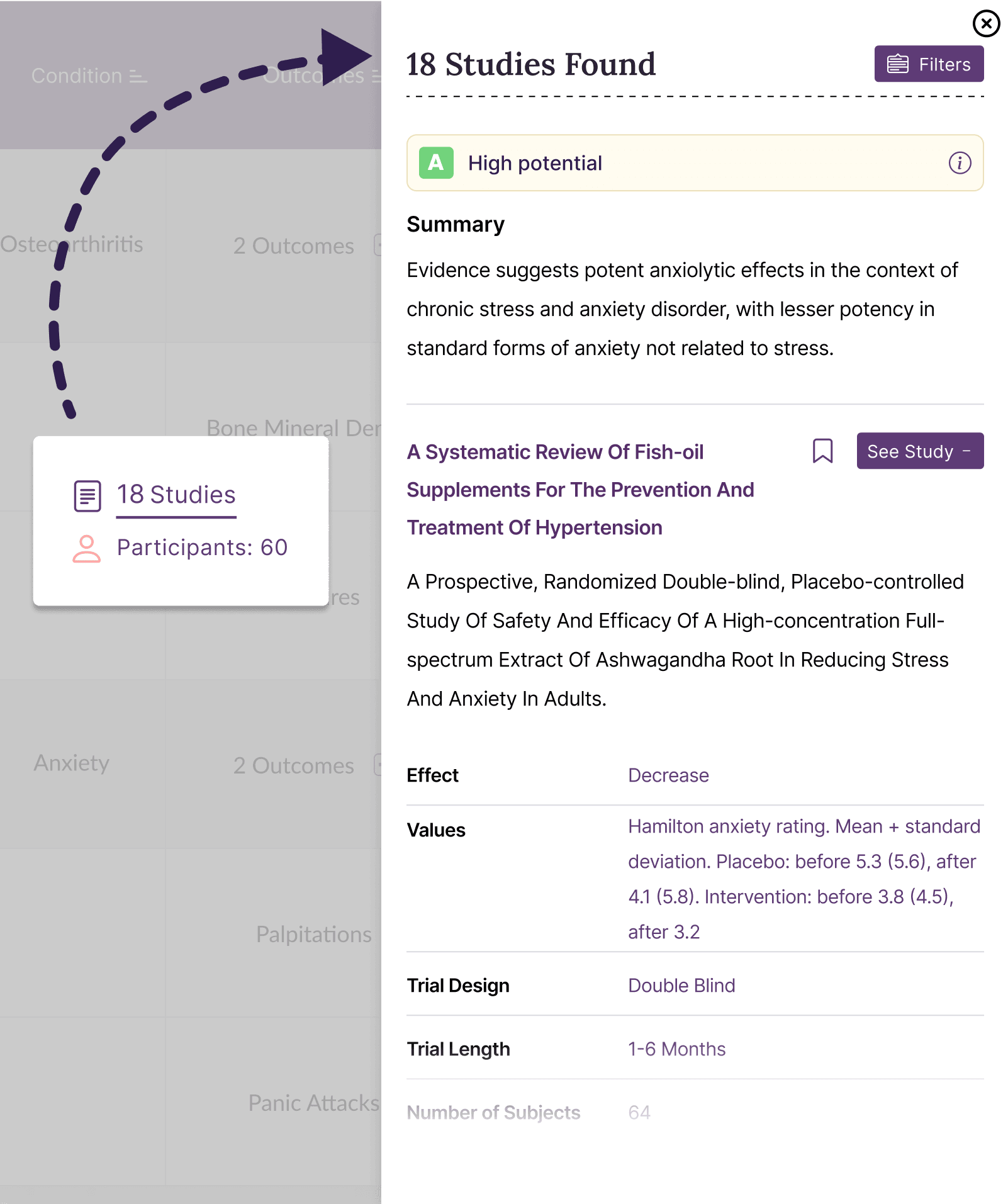
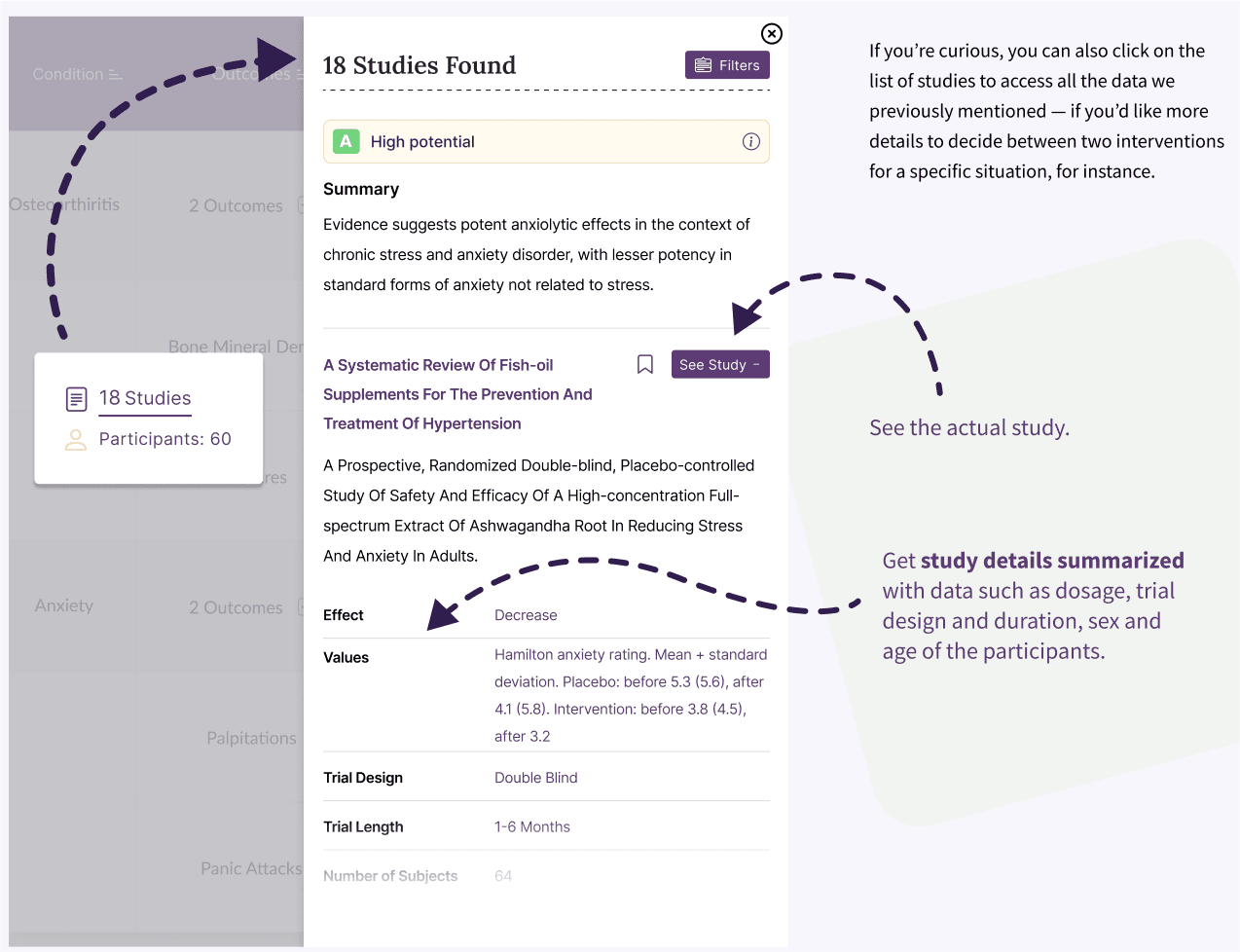
If you’re curious, you can also click on the list of studies to access all the data we previously mentioned — if you’d like more details to decide between two interventions for a specific situation, for instance.



Examine is my new favourite go-to for current research. Instead of spending my time on the tedious and time-consuming task of finding and reviewing abstracts, Examine is tailored to my specific interests and delivers just what I need to know — the key takeaways from the latest research. The brief summaries are invaluable; they are clearly written, concise, and help me stay up to date with the research that is most relevant and important to me.
”Gillian Mandich, PhD | Health Science researcher
Nonpharmaceutical interventions (NPIs) include diets, foods, supplements, exercise, and more. First-choice treatment or prevention strategies are often NPIs — due to various possible factors, such as efficacy, safety, cost, or ease of access.
Tens of thousands of NPI studies get published each year. No single person can read them all — and much less understand them all, since many were written by specialists for other specialists in their field. That’s why the Examine team has tripled in size over the past couple of years: we needed more researchers with different fields of expertise.
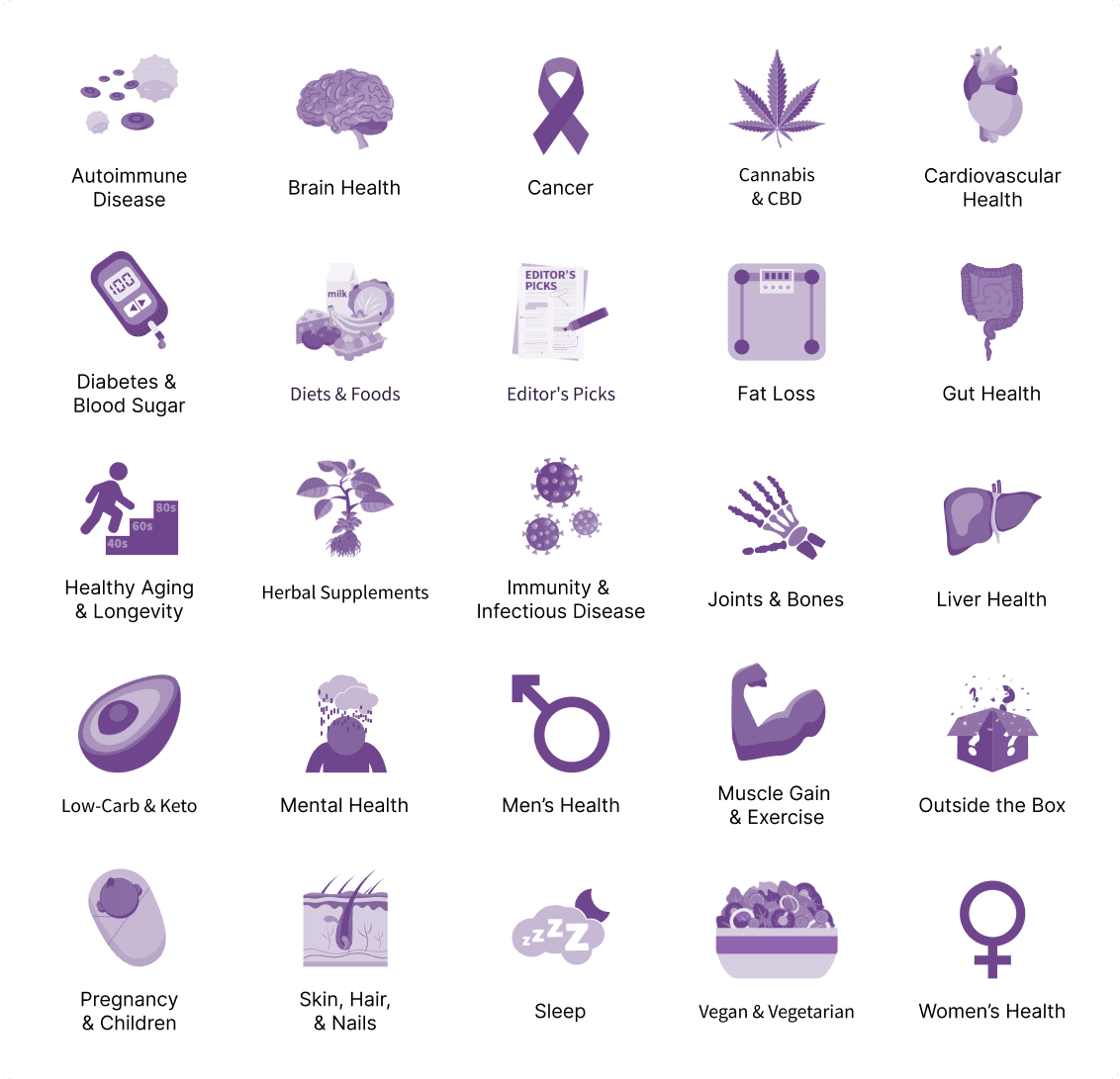
26 health categories

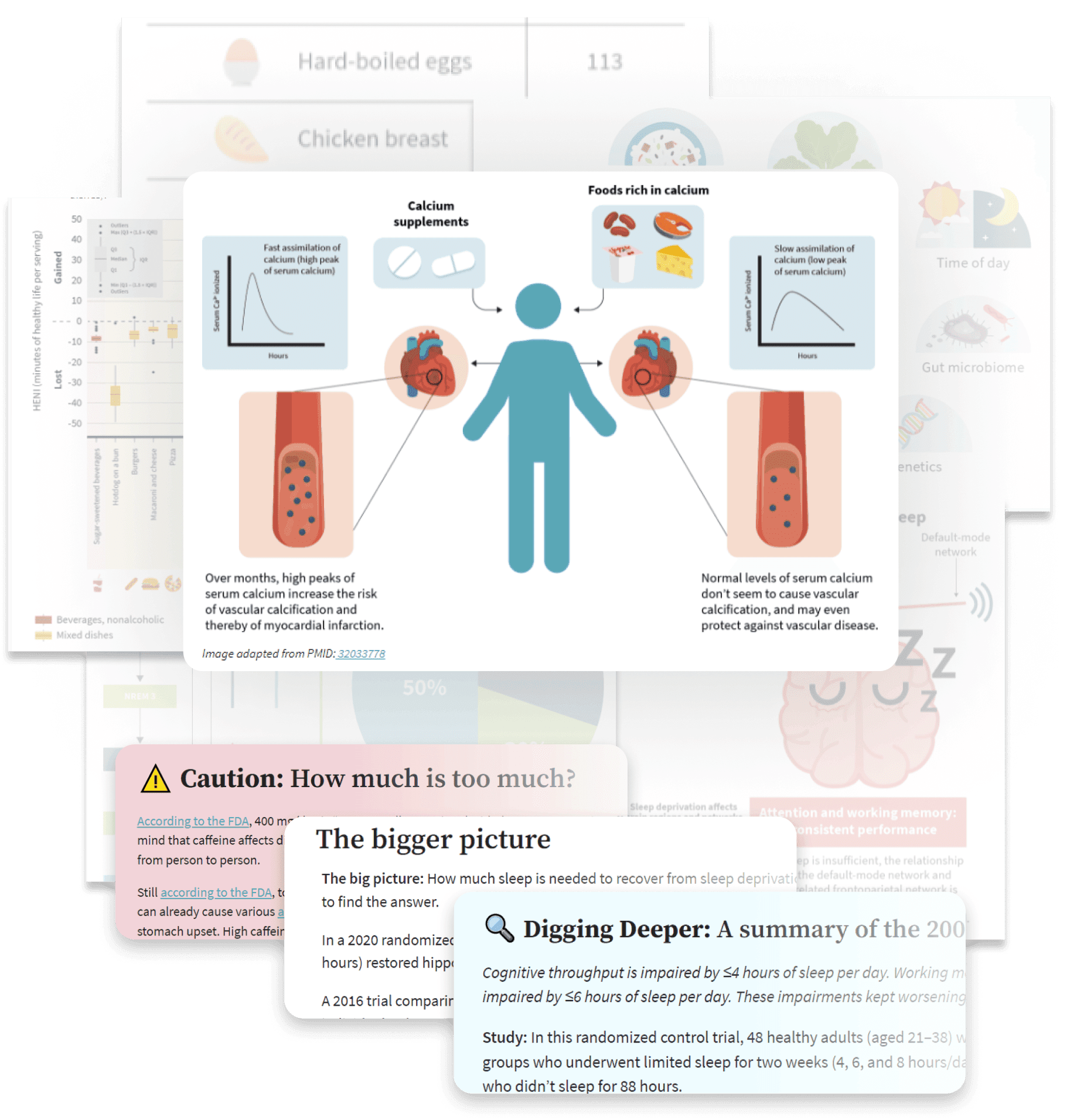
As a team, we collect thousands of new studies every month, select the most noteworthy, and summarize the key takeaways for you in plain English.
More precisely, you’ll know:
- Who was studied
- What was studied
- Why it was studied
- How it was studied
- What the findings were and
- Our reviewers’ observations on the study’s strengths, weaknesses, and place within — and effect on — the body of evidence
We summarize 150+ new studies a month, and you can customize your Research Feed to see all the summaries or only those within the health categories you care about.
hours of work,
but takes just a few
minutes to read.
Your Research Feed will keep you updated on the latest, most important findings from all types of human studies. Our focus is on nutrition (diet, foods, supplements), but we also report on other nonpharmaceutical interventions (from cognitive behavioral therapy, to forest bathing, to weighted blankets) when the studies are especially interesting.
We’ve already published thousands of study summaries — searchable by category (e.g., Cardiovascular Disease), tag (e.g., #Dietitians), PubMed ID, and any keyword. As soon as you become an Examine+ member, you unlock them all, so you won’t even have to wait until the next batch of 150+ summaries to catch up on the latest research!
Click to see a full summary!
A dietary pattern characterized by a high intake of fresh fruits, low-fat milk, boiled/baked potatoes, and legumes and a low intake of higher-fat/processed meat, butter/animal fat, red meat, and low-fiber bread was associated with a reduced risk for type 2 diabetes independent of changes in body weight.
A hypocaloric high-protein low-glycemic index diet decreased body weight and improved some metabolic risk factors more than a hypocaloric balanced control diet in people with metabolic dysfunction-associated nonalcoholic fatty liver disease.
In women, morning exercise training elicited greater improvements in body fat, blood pressure, and lower body muscular power, whereas evening exercise increased upper body muscular performance. In men, evening exercise was more effective for reducing blood pressure and increasing fat oxidation.

Examine’s updates help me to stay on top of current research on supplements and diet trends. Their in-depth summaries are a great way to get “the lay of the land” quickly and efficiently.
”Jennifer Sygo, RD | Cleveland Clinic Canada | Performance Toronto Raptors
Harness ExamineAI to search all of the information on Examine and get quick evidence-based answers
ExamineAI instantly searches Examine’s archive of over 25 million words for you. Get unbiased, easy-to-read answers backed by the totality of available evidence. ExamineAI is trained exclusively on Examine content and uses only sources you already trust, so you can be confident in the results.

Hello. Ask me about anything on Examine.
Find Interventions
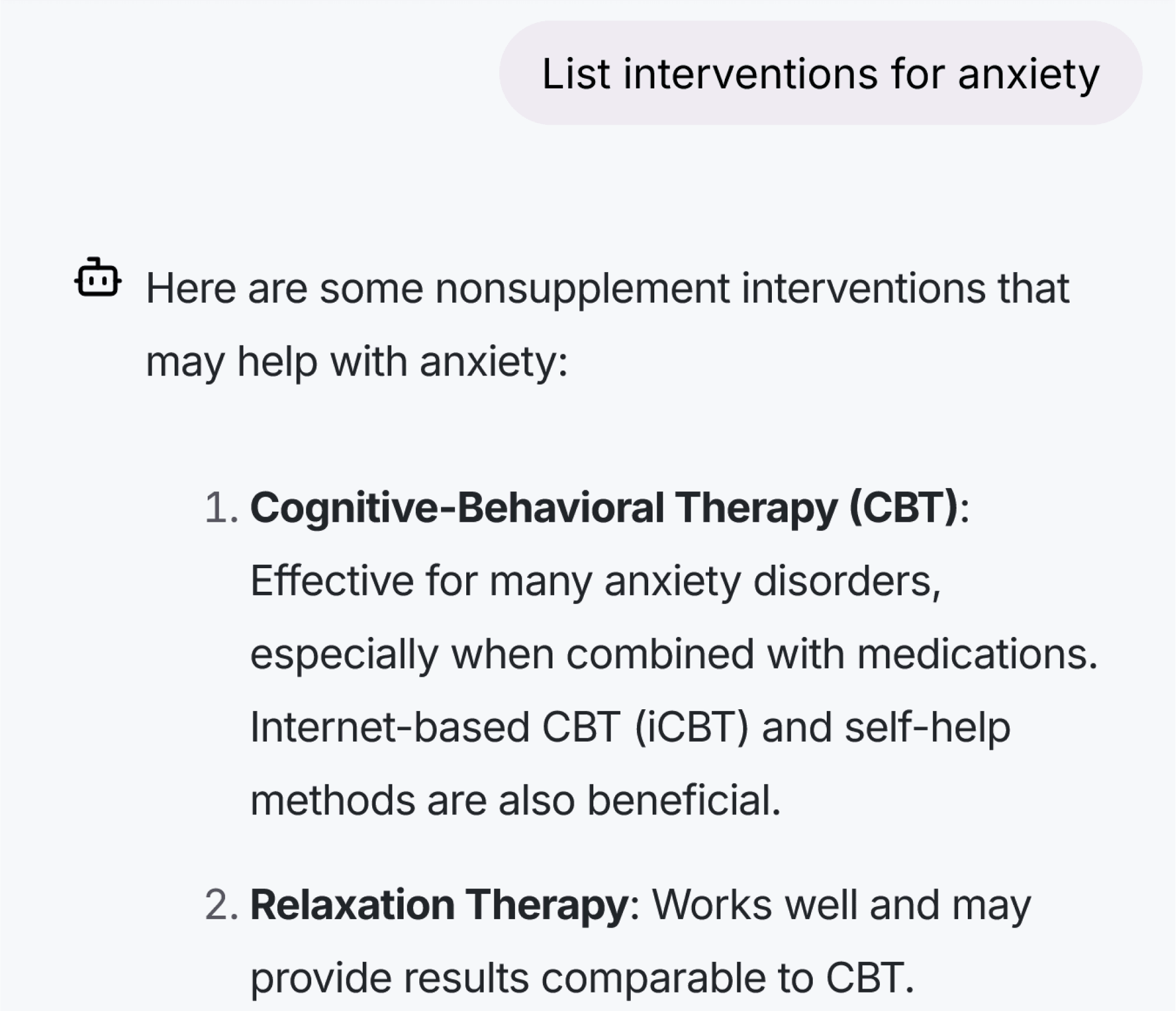
Understand a Topic
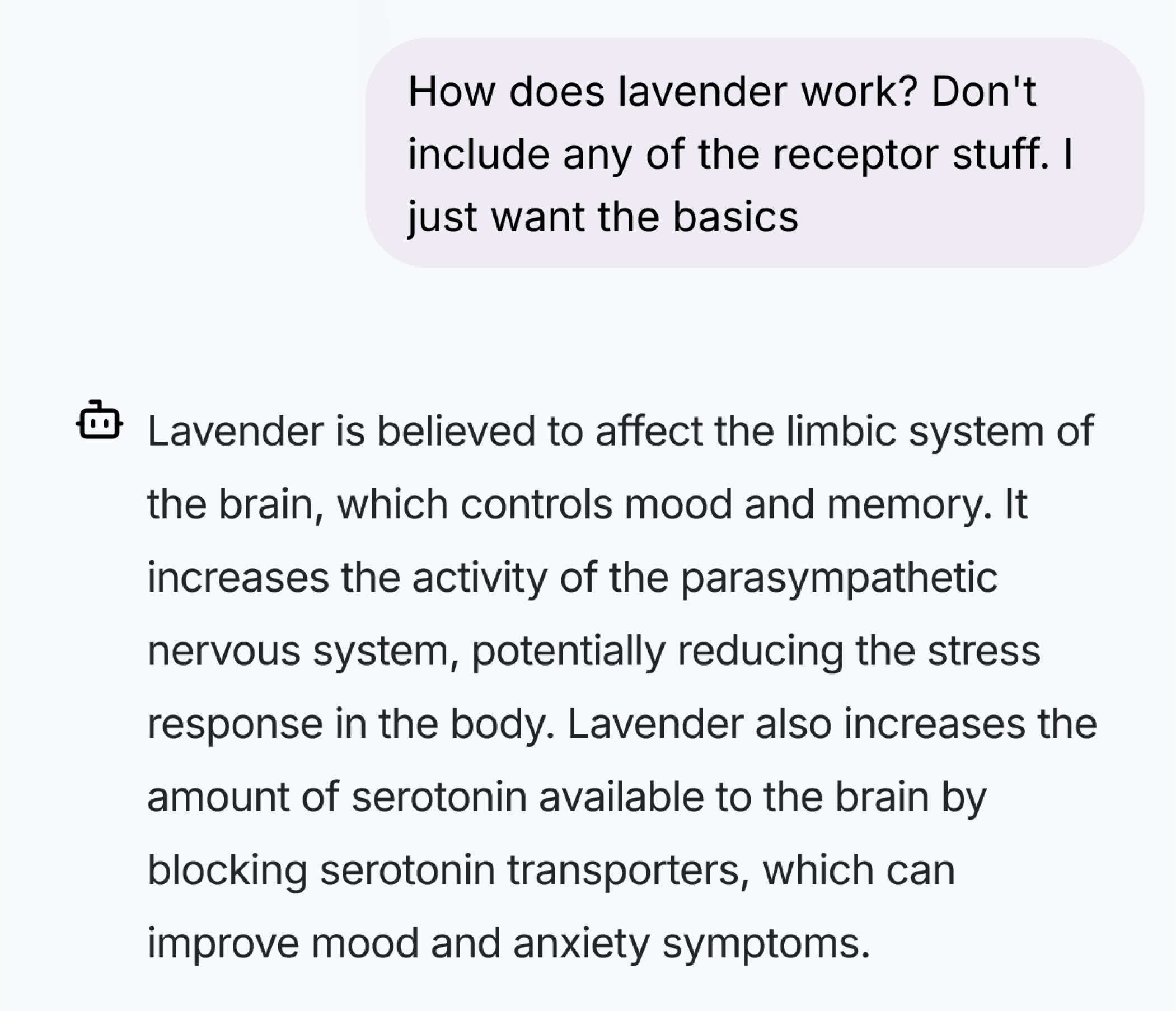
Compare Supplements
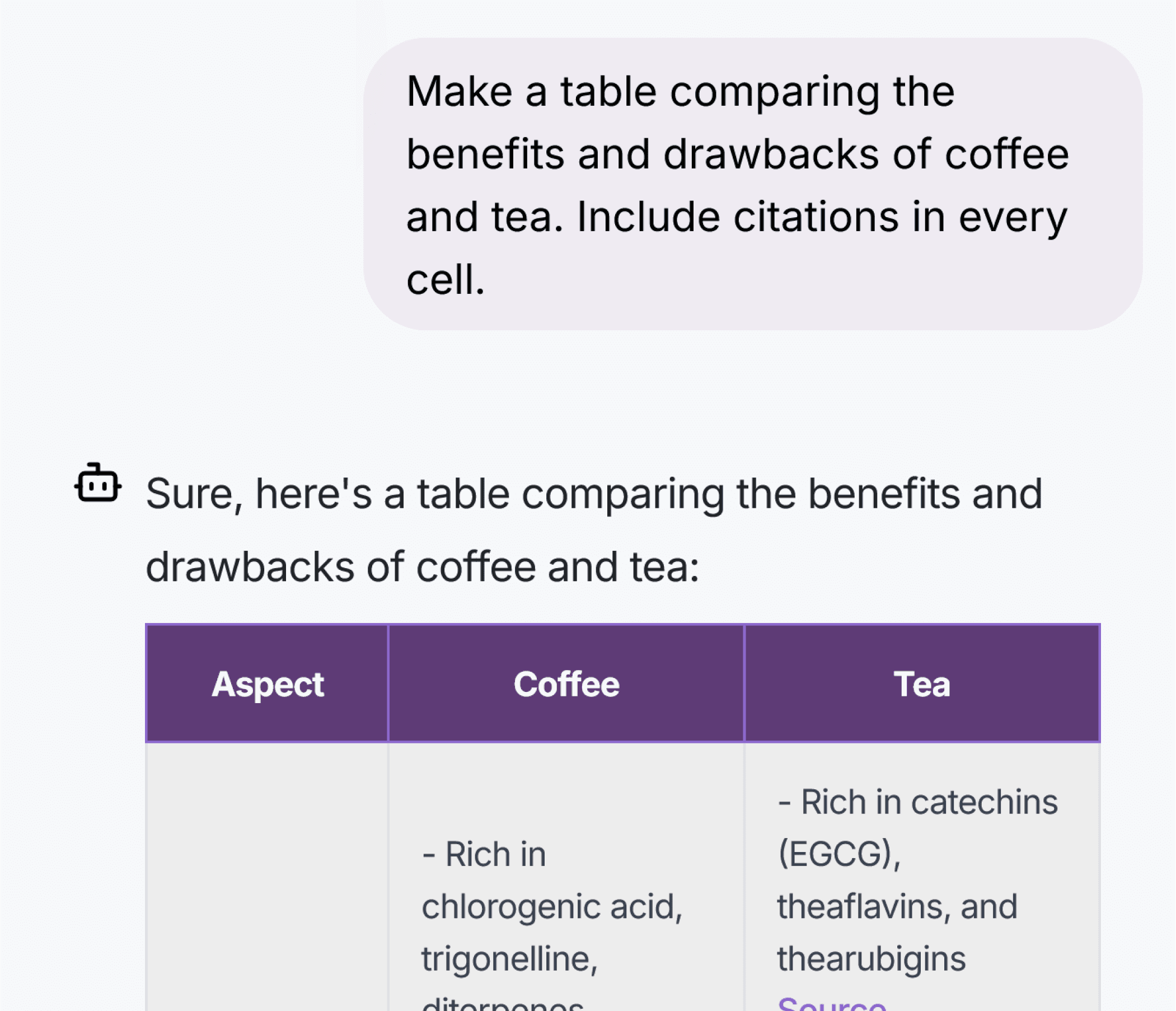
Get the Latest Research
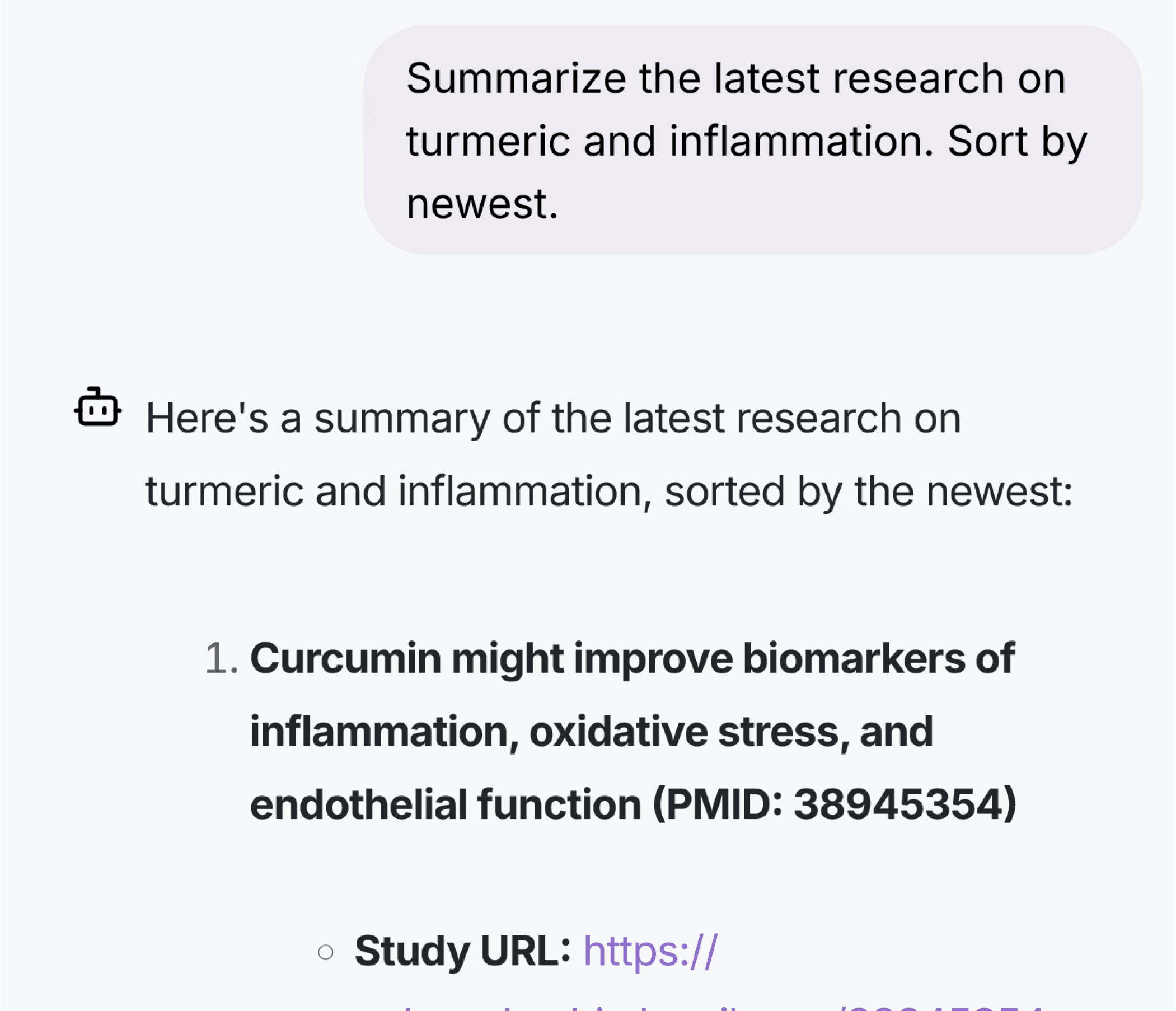
Try Examine+ now, risk free!
Examine+ is covered by a Within this period, just contact us to promptly get a full refund, no questions asked.

60-day
money-back guarantee.
No questions. No hassle. No risk.
Trying Examine is risk free. If you don’t find our work valuable, just let us know within 60 days to promptly get a full refund. No questions asked.
Transparent. Unbiased. 100% reader supported.
No to industry ties, yes to meticulous analysis.

Transparent
Our methods and mistakes are open for review to ensure the content is as accurate as possible.

Unbiased
Each of us is contractually required to have zero industry ties, to ensure we have zero conflicts of interest.

100% reader supported
No ads, sponsors, or external influence of any kind, so you don’t have to worry about us pushing an agenda.