Overview
Your body breaks down every carb you ingest into glucose, also known as blood sugar because it travels through your bloodstream.[1] Glucose is a simple sugar — more precisely, a monosaccharide (mono meaning single and saccharide meaning sugar). To store glucose, your body combines the molecules into a polysaccharide (poly meaning several) called glycogen, which gets stored in your liver and muscles.
Insulin (a hormone produced by your pancreas) rises when blood glucose rises;[2] it lowers blood sugar by telling various cells to absorb it — for storage in your liver or muscles or for immediate use — and your liver to stop producing new glucose.[3]
The ability of cells to absorb glucose in response to insulin is called insulin sensitivity, and low insulin sensitivity is called insulin resistance. The more sensitive you are to insulin, the less resistant, and vice versa.
It is also possible to produce too little insulin. If you have type 1 diabetes or are in the late stages of type 2 diabetes, in which case you suffer from insulin deficiency, glucose can’t be removed efficiently from your blood, causing hyperglycemia (overly high glucose levels).[4]
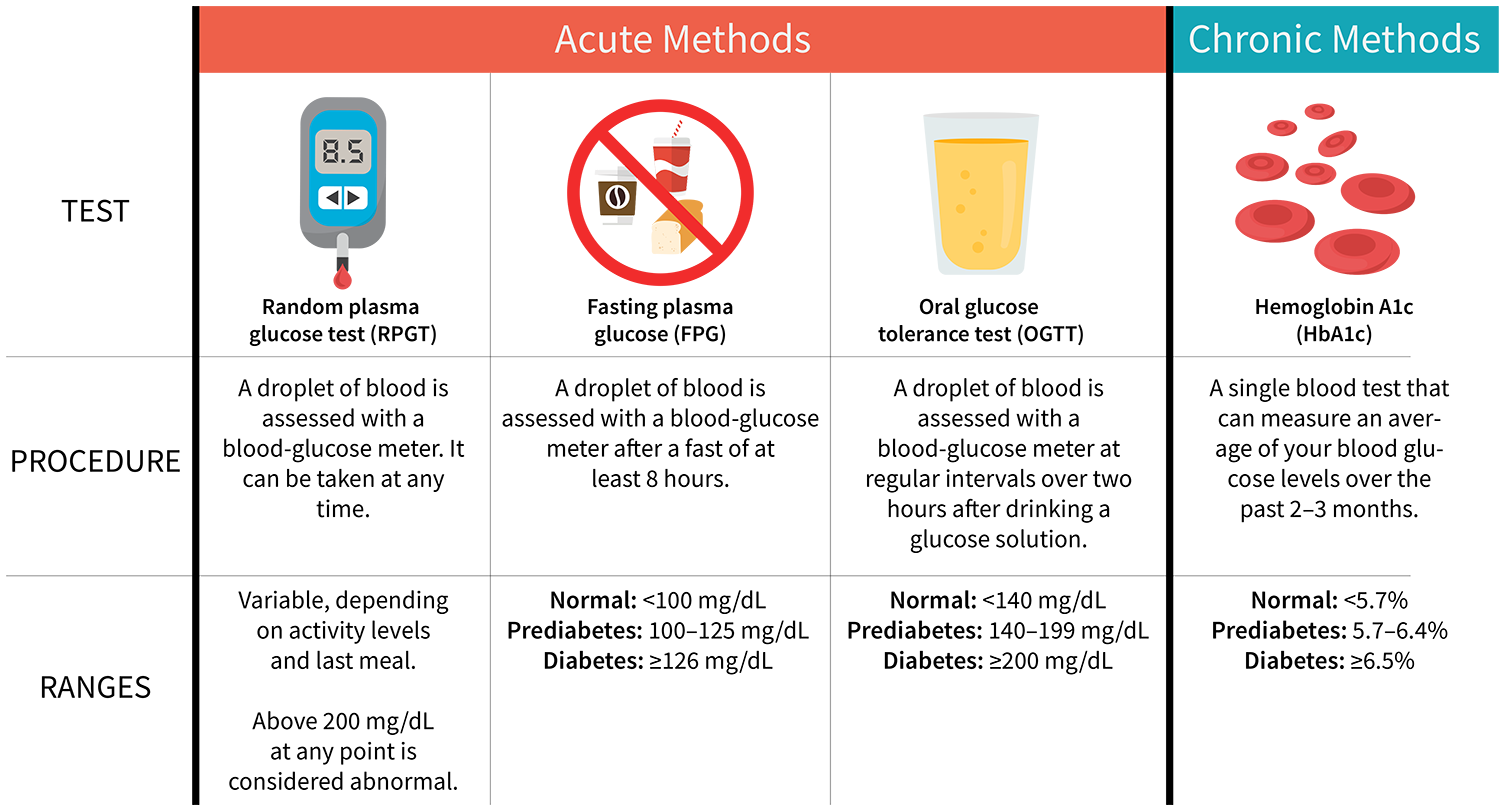
Insulin resistance paves the way for type 2 diabetes, which can cause your blood sugar levels to consistently remain too high for too long. If not managed, these high blood sugar levels can lead to serious health complications — mostly cardiovascular diseases,[5] but probably cancer, Alzheimer’s, and Parkinson’s as well.[6][7][8]